

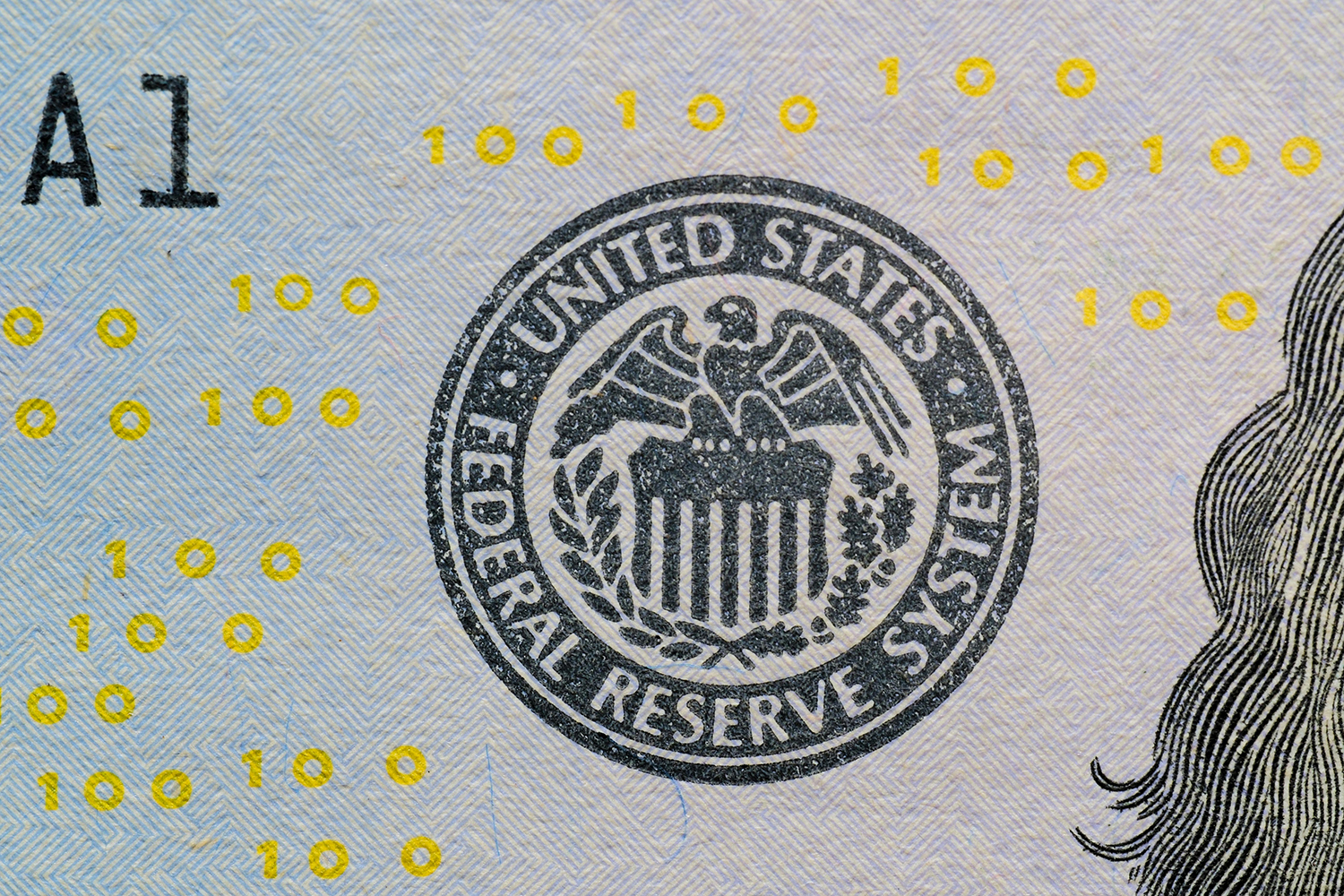
The Federal Reserve
What does the Federal Reserve actually do?
As I write this Kevin Warsh is slotted to take over the head of the Federal Reserve as Jerome Powell comes to the end of his term. It's all-over national news, but few people know what the Federal Reserve does or how it does it. So, let's talk about the Fed. Where did it come from, what is its purpose, and most importantly, what does it mean for homeowners/homebuyers.
Where did the Federal Reserve Come From?
In the early days of America, a true "US Dollar" did not exist, what you had were small and regional banks that had their own notes. As you moved from town to town you would need to exchange these notes for whatever local currency was being used. This system was so inefficient that many people stuck to regular trading and bartering without currency.
The banking system we know today really began in 1863 after the National Currencies Act was passed. This law created a federally chartered banking system and helped to uniform the currency being used around the country. This system worked, but it had a few flaws. The biggest being its inability to regulate the supply of available money, causing several major financial panics and bank runs.
After a particularly bad financial panic in 1907, congress began exploring the idea of a central bank that could stabilize the economy, regulate banks, and act as a lender of last resort. In 1913, President Woodrow Wilson signed the Federal Reserve Act into law.
The Federal Reserve was designed to help prevent future banking panics by giving banks access to emergency funds, managing the money supply, and helping maintain confidence in the financial system. Over time, its role expanded. Today, the Federal Reserve helps guide interest rates, manage inflation, supervise banks, and support employment and economic growth.
How does the Federal Reserve guide interest rates and stimulate the economy?
Their primary tool is what's known as the Fed's Fund Rate. This is the rate at which banks lend each other money to meet cash on hand liquidity. This is a normal practice to ensure banks keep enough liquidity on hand. This rate is set by the Federal Reserve in accordance with what is going on in the economy. If the economy is slower, they typically lower the rate to spur borrowing activity. If the economy is going through a period of inflation, they will raise the rate to slow borrowing activity, ultimately slowing the economy down.
The Fed is constantly compiling and reviewing data to understand the pace of the economy. They use many metrics to make decisions but the key reports they look at are; core PCE a measurement of national inflation, the jobs report to understand the labor market, and retail sales to get a pulse on how consumers are spending. They use this data to determine which direction the Fed's Fund Rate needs to go.
So, what does that mean for Mortgage rates?
The Fed's Rate does impact mortgage rates, but it's not the only factor. The biggest factor that determines mortgage rates is the Mortgage-Backed Securities (MBS) market. This is the market which investors purchase large pools of money on Wall Street. This is where lenders get the money that funds your mortgage. These pools of money are traded like commodities and are generally considered a safer investment. This is why we see rates go down when the economy gets worse. Investors seek safety in the MBS market causing a surplus in money, forcing interest rates to lower.
When the Federal Reserve lowers their fund rate, investors can invest more into the MBS market, lowering mortgage rates. When they raise the fund rate investors begin to sell their Mortgage-Backed Securities, causing interest rates to rise. There are other factors as well like inflation, market volatility, and the US Treasury market that also play a role in the price of mortgage rates. Because of these other factors the Fed's Fund Rate does not always directly correlate to mortgage rates.
A great example of this was October 2025, the Federal Reserve announced a small rate cut and mortgage rate got worse immediately after the announcement. The market had pre-priced in the rate cut as investors anticipated the announcement, and shortly after realized inflation was not under control and treasury bond yields had a higher return. All of these factors combined, caused the market to act inversely of what it should have.
So, if you are a perspective homebuyer reading this thinking "I should wait till the Federal Reserve cuts rates to buy a home" that's probably not the best idea. History shows that mortgage rates are often not the easiest thing to predict, and looking at the economics of it that rarely makes sense. As rates go down more buyers come into the marketplace causing the price of homes to rise. Meaning, you ultimately pay more for the home when rates are lower.
The best proven strategy is time in the market. When interest rates go down, you want to be a homeowner. You benefit from the gain in appreciation, and you may be able to take advantage of lower rates with a refinance. Having the correct strategy will out preform timing the market every time.